
Every crane we hire out comes with a licensed operator and the crew the lift needs. Tell us what you’re lifting, how high and how far, and we’ll tell you which crane the job actually wants — then handle the permits and the paperwork around it.
In practice the machine that suits a rooftop air-conditioning unit is nothing like the one that suits shifting plant around a factory, and the one that suits a six-week structural steel programme is different again.
This page covers the parts common to every crane hire job — what wet hire means, what’s included, what drives the cost, and what we need from you to quote it. If you already know the type of crane you want, go straight to it below.
Sets up on outriggers and rotates to place the load. Best reach and height of the mobile options — rooftop plant, structural steel, equipment installs.
Lifts the load and drives it there. No outriggers, no set-up, 12 to 40 tonne. The one for tight access, factories and moving loads around a site.
Crane and transport in one vehicle, so a load is delivered and placed in a single movement. Freight, containers, machinery.
Tracked, travels rigged, spreads its weight over soft ground. For heavy picks and long programmes rather than single lifts.
Not sure which? That is what the free site inspection is for. Ring Roy on 0419 150 698 and he will tell you honestly which crane fits — including when it is the cheaper one.
Wet hire means the crane arrives with a licensed operator. The hourly rate covers the machine and the person running it, and usually a dogman or rigger to sling the load and direct the lift. You book a lift, not a machine.
Dry hire means the machine only. You take the crane and supply your own licensed personnel — operator, dogman, rigger — and you carry responsibility for the lift.
We hire wet only. Not as an upsell, for three fairly practical reasons:
The operator is the one who reads the load chart, checks the ground, watches the overhead and calls a lift off when it isn’t right. That judgement should not land on the customer.
One number for the whole job and one invoice at the end. If something changes on site you ring us, rather than working out whose problem it is.
Operator licence, crane insurance and crew tickets all verified and lining up before the job starts. Dry-hire arrangements are where claims fall between the cracks.
| Included as standard | What it means |
|---|---|
| Licensed crane operator | Holds the relevant high risk work licence for the machine and class of work. |
| Dogman or rigger | Where the lift requires one — slings the load, directs the lift, manages the landing. Additional crew available through Riggers & Dogmen Hire. |
| Standard lifting gear | Slings, chains and shackles for typical loads. Specialised spreader bars and lifting beams are arranged where the load needs them. |
| Insurance in force | Public liability and crane insurance current on every job. Certificates of currency available on request before work starts. |
| Travel to and from site | Normally included within the minimum hire period. |
| Electrical spotter | Where work is near powerlines, to maintain safe clearances. |
Permits, traffic management and lift documentation are arranged as part of the job where it needs them — see Permits & Planning and Lift Project Management.
The most common misconception in crane hire is that the crane size follows the weight of the load. It does not. Size is set by weight, radius, height, boom configuration and ground conditions together — and radius is usually the factor that forces it up.
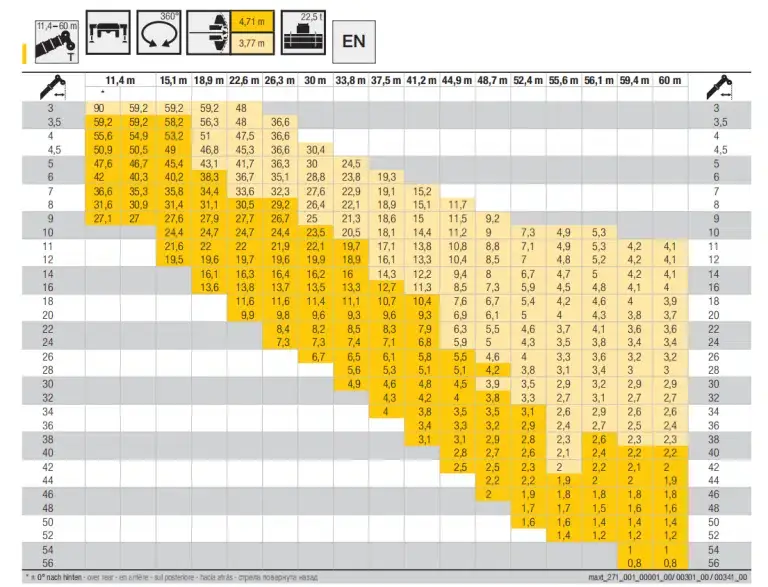
Every lift runs to the manufacturer’s load chart for that specific machine and configuration. Send us the weight, the height and the radius and we will size it — or read the longer explanation in What Size Mobile Slew Crane Do I Need?
The heaviest single item, plus slings, shackles, spreader bars and lifting beams. Rigging weight is the most commonly forgotten figure, and on a marginal lift it is the one that puts the job outside the load chart.
Measured from the crane's centre of rotation to the centre of the load. Capacity falls away sharply as radius grows, which is why a light load at long reach can need a much bigger crane than a heavy one close in.
To the hook, to the set point if they differ, and any clearance needed over an obstruction.
Room for outriggers to fully deploy, ground bearing capacity, matting where the ground is soft, and whether the machine can physically get in. Rated capacity is only real if the site allows the set-up the load chart assumes.
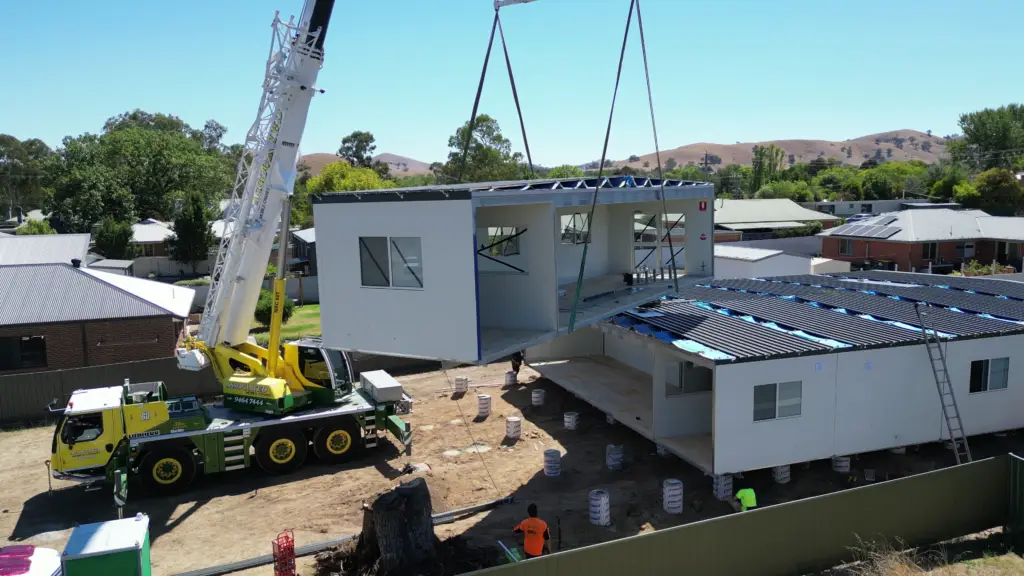
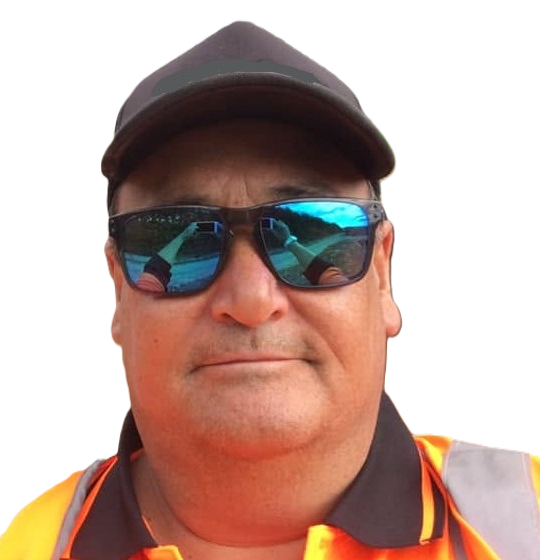
Give Roy a call to organise your crane or to discuss the right crane for your job. Planning, permits, transport and cranes, everything managed so you don’t have to.
Tell us about your project — We’ll work out how we can get it done for you.
Crane hire is charged by the hour, wet, against a minimum hire period. Rather than quote a single rate that would be wrong for most jobs, here is what actually moves the number:
Set by weight, radius and height together — not weight alone.
Short lifts are charged at the minimum. Longer bookings give a better effective hourly rate.
Matting, extra set-up time, or a larger machine because the crane has to stand further back.
Council road occupation permits and traffic control where the crane works off the property.
Weekend, night and public-holiday work attracts a loading, shown in the quote rather than buried in it.
Specialised rigging, additional crew, lift studies and engineering sign-off where the lift requires them.
Full breakdown with typical figures: How Much Does Crane Hire Cost in Melbourne?
We are based in Carrum Downs in South East Melbourne but we provide services all across Australia. From a roof-top air conditioner lift in Hobart, through to a water treatment plant water pump delivery and lift in North Queensland, we have you covered.
Melbourne metro, south-eastern suburbs, Mornington Peninsula, Geelong and regional Victoria. Oversize permits handled with VicRoads.
Sydney metro, Newcastle, Wollongong and the Central Coast. Oversize permits handled with Transport for NSW.
Brisbane, Gold Coast, Sunshine Coast and Toowoomba. Oversize permits handled with Transport and Main Roads
The Territories or regional anywhere — ring us and we’ll tell you straight away whether we can get a crane or transport to you.
Perth metro and the Peel region. Oversize permits handled with Main Roads WA.
Adelaide metro. Oversize permits handled with the Department for Infrastructure and Transport.
Hobart, Launceston and in-between. Oversize permits handled with Transport Services Tasmania.
Wet hire includes a licensed crane operator, and usually a dogman or rigger, in the hourly rate — you are booking a lift. Dry hire is the machine only and you must supply your own licensed personnel and carry responsibility for the lift. We hire wet only.
No. Every crane we supply comes with a licensed operator and the crew the lift requires. It is safer, simpler to run, and it keeps the insurance and responsibility in one place rather than split across three parties.
Yes. The rate covers the crane and a licensed operator, and a dogman or rigger where the lift needs one. Where work is near powerlines, an electrical spotter is used as well.
Most crane companies apply a minimum hire of 3–4 hours, which usually includes travel to and from your site. Short lifts are charged at the minimum; longer bookings achieve better effective hourly rates.
It depends on the heaviest load including rigging, the radius from the crane to the load, the lift height, the boom configuration and whether the site allows outriggers to fully deploy. Weight alone will not tell you — send us the weight, height and radius and we will size it.
Not for lifts performed entirely from private property. If the crane sets up on a road, footpath or nature strip, a council road occupation permit and traffic management are required. We arrange both — see Permits & Planning.
For standard lifts, a week is usually enough, though earlier is always better. If the lift needs a road closure permit, allow two to four weeks for council approval.
Yes. Night, weekend and public-holiday work is common where a lift cannot happen during business hours — road closures and retail or hospital sites in particular. Out-of-hours work attracts a loading, and it is shown in the quote up front.
Public liability and crane insurance are in force on every job, and current certificates are verified before work starts. Certificates of currency can be provided on request if your site or head contractor requires them.
Yes — crews can be supplied for work alongside cranes you have arranged elsewhere. See Riggers, Dogmen & Labour Hire.
Those three numbers and a photo of the site are usually enough for us to tell you which crane you need. Ring 0419 150 698 or email sales@combinationcranes.melbourne.